
Knee Pain as a Hidden Symptom of Gout: Unveiling an Underrecognized Clinical Connection
Introduction
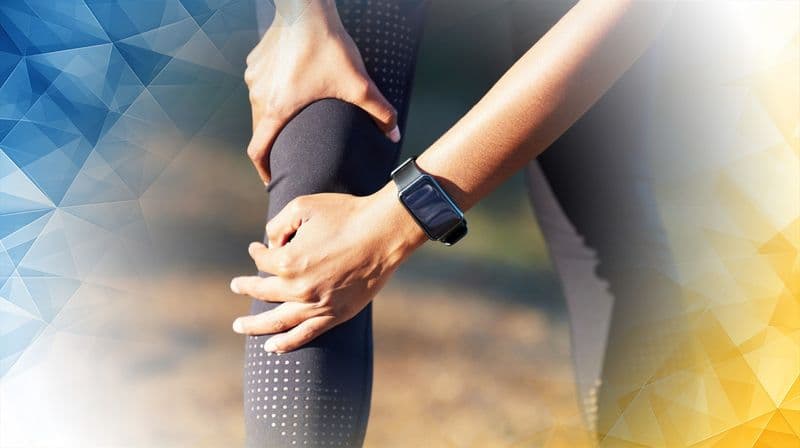
Knee pain is a frequent reason people visit their doctors. It’s usually linked to injuries, overuse, or conditions like osteoarthritis . However, recent research reveals an often-overlooked culprit: gout . Gout is a type of arthritis that develops when high levels of uric acid in the blood form sharp crystals inside the joints. While gout most famously strikes the big toe, it can also trigger painful flare-ups in the knee.
Recognizing this connection matters—a misdiagnosed gout -related knee pain can lead to the wrong treatments and ongoing discomfort. As Finney (2014) emphasizes, with the number of gout cases rising, it’s crucial for both patients and providers to understand this condition well. Research also suggests that gout can have wider impacts—including an increased risk of depressive symptoms among those affected (Hao & Wang, 2024). Understanding how gout leads to knee pain, the challenges in spotting it, and new developments in treatment can help both patients and medical professionals achieve better outcomes.
What Happens in the Knee When You Have Gout?
Gout develops when uric acid—naturally produced by the body—accumulates and forms tiny, sharp crystals in the joints. This buildup triggers inflammation, leading to sudden, severe pain, swelling, and redness. The big toe is the classic site, but the knee is another common spot where these crystals can collect.
When urate crystals settle in the knee, they irritate the joint lining (the synovium) and cartilage. The immune system reacts, releasing white blood cells to attack the crystals. As a result, the knee can become swollen, warm, red, and extremely painful—sometimes overnight and often without warning.
Ultrasound studies help us see how gout can both cause dramatic flare-ups and damage the joint over time. For example, greater numbers of tophi (visible or ultrasound-detected lumps formed by urate crystals) are linked to more severe changes inside the joint. This explains why people with longstanding gout can experience both sudden pain and persistent joint issues.
How Gout-Related Knee Pain Differs from Other Knee Problems
Gout -related knee pain is different from pain caused by injuries or arthritis . Osteoarthritis, for example, usually causes gradual, worsening discomfort that gets worse with activity. In contrast, gout attack s appear suddenly and are often extremely intense, but symptoms can improve completely between episodes.
Diagnosing gout isn't always simple. The symptoms—redness, swelling, and tenderness—can look a lot like other joint problems, such as septic (infected) arthritis or pseudogout, which is triggered by a different type of crystal. That’s why it can be easy to mistake one condition for another.
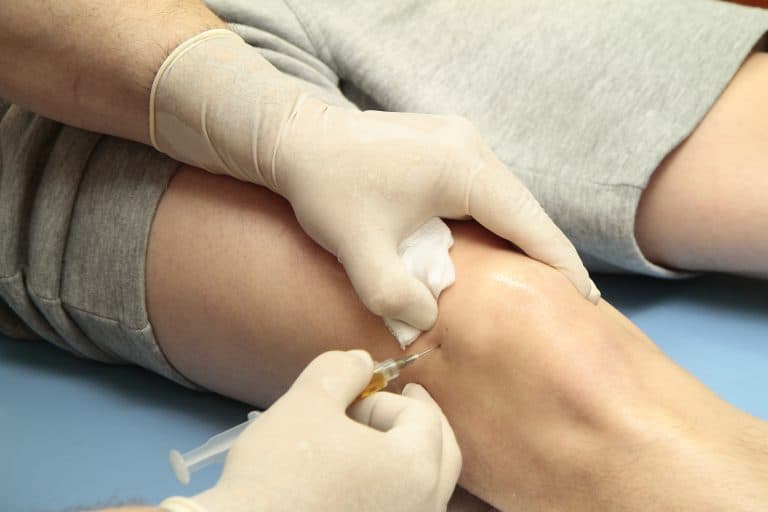
Fortunately, new diagnostic tools are making the process easier. Modern ultrasound can reveal signs of urate crystal buildup, such as the double contour sign (a crystal coating over cartilage ), and track damage inside the joint. Taking a sample of fluid from the swollen knee and observing it under a microscope can provide a definitive diagnosis by revealing the distinctive gout crystals. Advances like dual-energy CT scans can sometimes spot these crystals without the need for an invasive procedure. It's important to know, though, that blood tests for uric acid aren’t always reliable—levels can be normal even during a gout attack .
Emotionally, undiagnosed or poorly managed gout can take a toll. Research finds that about a quarter of gout patients may experience depressive symptoms—another reason why accurate diagnosis and effective treatment matter for quality of life.
What This Means for Patients and Doctors
Patients experiencing sudden, severe knee pain—especially those with risk factors like obesity, high blood pressure, or a personal history of gout —should ensure their doctor considers gout as a possible cause. For doctors, a careful history and exam, along with knowledge of these risk factors and symptoms, are crucial in reaching a correct diagnosis.
Research highlights that living with gout comes with multiple risks—not just for recurring pain and joint damage, but also for emotional health. Patients who deal with frequent attacks or lack proper understanding about the disease may be particularly vulnerable to depression (Hao & Wang, 2024).
When gout is suspected, the most reliable method is analyzing joint fluid for urate crystals. If that’s not possible, advanced imaging can help. Early diagnosis means patients can start the right treatment quickly—usually a combination of inflammation-fighting medications (like NSAIDs , colchicine, or steroids), uric acid-lowering therapy for long-term management, and lifestyle changes such as weight control and a healthy diet.
Identifying gout in the knee can make a major difference. Recognizing the signs enables faster, more targeted treatment, reducing pain and improving daily life—while helping avoid unnecessary surgeries or ineffective therapies.
Looking Ahead: Why Awareness and Research Matter
Knee pain isn't always what it seems—and for some, it’s an early warning sign of gout . Being aware of this hidden connection can help more patients get the treatment they need, when they need it, to prevent suffering and long-term damage.
Ongoing research continues to advance our understanding, especially by improving imaging and diagnostic tools and exploring the full physical and emotional impact of gout . Raising awareness among healthcare professionals and patients alike is key to spotting and treating gout-related knee pain quickly and effectively.
As Finney (2014) notes, a greater awareness of the signs and risk factors of gout leads to better outcomes for patients. New approaches—such as prediction tools for depressive symptoms—are also paving the way for more holistic, personalized care (Hao & Wang, 2024). By recognizing gout as a possible cause of knee pain, we empower both patients and clinicians to take better control of this common, yet often overlooked, condition.
References
Finney, D. (2014). Recognising the symptoms: diagnosing and treating gout. Nursing and Residential Care, 16(6), 325-328. https://doi.org/10.12968/nrec.2014.16.6.325
Hao, X., & Wang, A. (2024). Development and validation of a prediction nomogram for depressive symptoms in gout patients. Frontiers in Public Health, 12, . https://doi.org/10.3389/fpubh.2024.1356814
Norkuvienė, E., Petraitis, M., Apanaviciene, I., Virvičiūtė, D., & Baranauskaitė, A. (2017). The relationship between clinical symptoms and ultrasonographic signs in gout. Sveikatos Mokslai, 27(1), 70-77. https://doi.org/10.5200/sm-hs.2017.013
Frequently Asked Questions
- London Cartilage Clinic, led by Prof Lee, offers expert assessment and advanced imaging to accurately diagnose gout-related knee pain. Their experience ensures patients receive targeted care based on the latest research, helping achieve better outcomes, minimise recurrence, and improve overall quality of life through personalised management plans.
- Prof Lee brings extensive expertise in diagnosing and managing complex joint conditions, including challenging gout cases. His use of the latest diagnostic tools, commitment to ongoing research, and personalised patient-focused care make him a trusted choice for those seeking relief from painful gout-related knee problems.
- Early diagnosis at London Cartilage Clinic enables more effective, targeted treatment and helps prevent long-term joint damage. Prof Lee’s approach combines cutting-edge diagnostic techniques and evidence-based therapies to address symptoms promptly, reduce pain, and help patients regain mobility and comfort in their everyday activities.
- London Cartilage Clinic utilises state-of-the-art ultrasound and imaging, as well as detailed clinical assessment, to distinguish gout from conditions like osteoarthritis or septic arthritis. Prof Lee’s extensive experience in crystal arthritis ensures an accurate diagnosis, leading to more specific, effective treatment strategies tailored for each patient.
- Yes, the clinic understands that gout affects more than just the joint. Prof Lee and his team provide a holistic approach, recognising that untreated or mismanaged gout can impact emotional health. Their comprehensive care addresses both physical pain and the wider quality of life for every patient.
Legal & Medical Disclaimer
This article is written by an independent contributor and reflects their own views and experience, not necessarily those of London Cartilage Clinic. It is provided for general information and education only and does not constitute medical advice, diagnosis, or treatment.
Always seek personalised advice from a qualified healthcare professional before making decisions about your health. London Cartilage Clinic accepts no responsibility for errors, omissions, third-party content, or any loss, damage, or injury arising from reliance on this material.
If you believe this article contains inaccurate or infringing content, please contact us at [email protected].
London Cartilage Clinic
Modern treatments, designed for lasting knee outcomes
Every treatment plan is selected to help you return to the quality of life you deserve. Our team combines up-to-date techniques with consultant-led decision making across cartilage repair, regeneration and replacement.
What your journey can look like
Step 01
Consultant-Led Assessment
Symptoms, imaging and goals reviewed in one structured appointment.
Step 02
Personalised Treatment Plan
A clear route chosen from repair, regeneration or replacement options.
Step 03
Precision Delivery
Modern techniques and specialist equipment matched to your diagnosis.
Step 04
Long-Term Knee Health
Follow-up guidance focused on durable function and quality of life.
Will the Arthrosamid work for me
PAAG-8+ Questionnaire
A bright, structured entry point for patients exploring Arthrosamid. The questionnaire helps frame suitability, expectations, and 24-month clinical benefit discussion before a fuller consultant-led review.
Designed for shared decision-making. It does not replace specialist consultation, examination, imaging review, or formal medical advice.